Databricks CEO: SaaS Isn’t Dead, But AI Will Make It Invisible
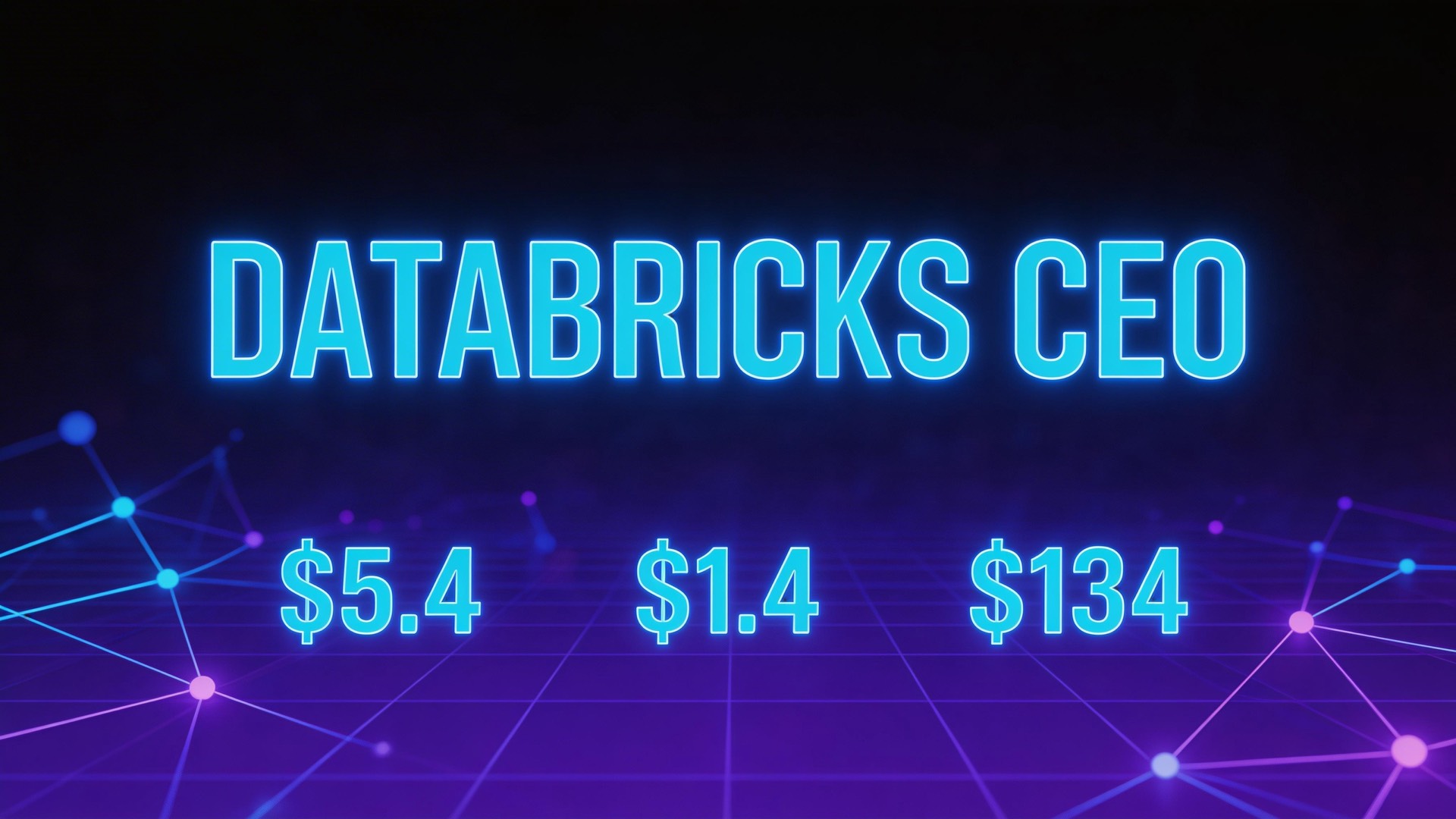
Databricks just announced $5.4 billion in annual revenue run rate, up 65% year-over-year. More than $1.4 billion of that comes from AI products. CEO Ali Ghodsi wants you to know that the “AI kills SaaS” narrative misses the point entirely.
The Core Insight
The threat to SaaS isn’t that enterprises will rip out their systems of record and replace them with vibe-coded alternatives. That’s a fantasy. The real disruption is far more subtle: AI is making user interfaces invisible.
Ghodsi points to Databricks’ LLM interface, Genie, as proof. Previously, asking “why did warehouse usage spike last Tuesday?” required writing SQL queries or commissioning custom reports. Now, anyone can ask in natural language. The product still exists—the database still matters—but the specialized skills required to use it are evaporating.
“Millions of people around the world got trained on those user interfaces,” Ghodsi warns. “And so that was the biggest moat that those businesses have.”
When the interface is just language, products become plumbing. Invisible infrastructure that users never directly interact with. The Salesforce specialist, the ServiceNow expert, the SAP consultant—their competitive advantage was mastery of complex UIs. That moat is draining.
Why This Matters
The AI-native database play is already underway. Databricks’ Lakebase, designed specifically for AI agents, has done twice as much revenue in eight months as their data warehouse did at the same age. “Obviously, that’s like comparing toddlers,” Ghodsi admits. “But this is a toddler that’s twice as big.”
For AI agent developers, this signals a significant opportunity. If traditional SaaS interfaces are being replaced by natural language and APIs, then agents that can effectively interact with these systems become the new interface layer. The agent isn’t replacing the SaaS—it’s becoming how users interact with it.
The business model implications are profound. SaaS companies that resist the LLM interface risk being disintermediated by AI-native competitors. Those that embrace it may grow (as Databricks is) but also open themselves to substitution by systems purpose-built for agent interactions.
Key Takeaways
- Systems of record aren’t going anywhere: The data layer matters; the UI layer is what’s being disrupted
- Interface mastery was the real moat: When anyone can query in natural language, specialized skills lose value
- AI-native data infrastructure is emerging: Purpose-built databases for agents are growing faster than traditional data warehouses
- Embrace beats resistance: Companies adding LLM interfaces are seeing usage growth, not cannibalization
- $134 billion valuation isn’t IPO preparation: Databricks is staying private and building cash reserves for market volatility
Looking Ahead
The SaaS market is entering a strange transition period. The backends will largely survive—enterprises aren’t rewriting their ERPs. But the frontend, the thing users actually touch, is being intermediated by AI.
This creates a new category of value: not the data, not the workflows, but the ability to make those systems accessible through natural language and agent-friendly APIs. The winners in this transition will be companies that recognize their real product isn’t the interface—it’s what the interface was hiding.
For builders: the UI you’re designing today might be the last generation of direct human interaction with your system. Plan accordingly.
Based on analysis of Databricks CEO says SaaS isn’t dead, but AI will soon make it irrelevant – TechCrunch
Tags: ai-agents, saas, databricks, enterprise-software, natural-language-interfaces