$625 Million for Seed Rounds: Welcome to the New Reality of Early-Stage Investing
When a seed fund raises more than many Series B rounds from a decade ago, it tells you something important about how AI has reshaped venture capital.
The Core Insight
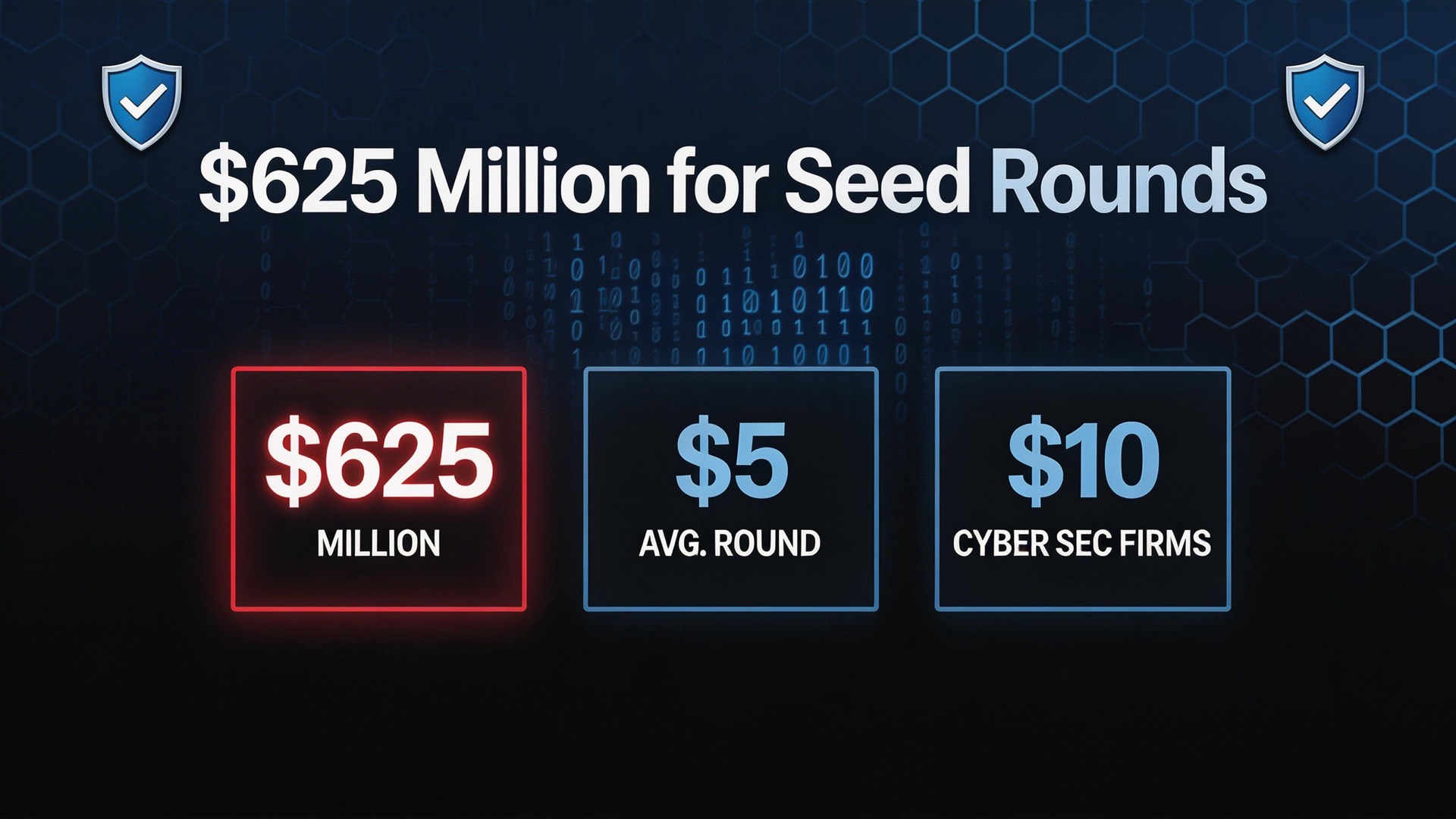
Primary Ventures just closed a $625 million Fund V focused exclusively on seed investing. To put this in perspective: this single early-stage fund is larger than many complete fund families from traditional venture firms. The average check size will range from $5 to $10 million—numbers that would have been considered Series A territory not long ago.
This isn’t an anomaly. Sequoia recently raised a $200 million seed fund. Uncork Capital announced $225 million for seed investments. The early-stage market is experiencing a dramatic recalibration, driven primarily by the capital intensity of AI startups and the compressed timelines that competitive advantages demand.
Ben Sun, Primary’s co-founder, articulates the shift clearly: “I think [a fund of this size] allows you to go in and compete and bring more resources to the table to work with the best founders and opportunities.” Translation: if you can’t write $5-10 million checks at seed, you’re not in the game for the most promising AI companies.
Why This Matters
The implications extend beyond fund sizes to the fundamental economics of starting companies:
Geographic Dispersion: Primary, traditionally a New York-focused firm, now invests across Chicago, Seattle, Virginia, and D.C. “The talent, the founder, and the startups are happening everywhere,” Sun notes. The rise of remote work combined with AI tooling has genuinely distributed startup formation beyond traditional hubs.
Seed as Asset Class: Sun explicitly positions seed investing as trending toward its own asset class. The logic is compelling: as outcomes get larger (many AI companies are reaching $10B+ valuations), the returns from being in the earliest rounds become proportionally more valuable. Specialized seed funds with deep pockets can compete for the best deals.
Specialist Coverage: Despite calling itself a generalist, Primary maintains sector specialists covering vertical AI, fintech, healthcare, enterprise, cybersecurity, and infrastructure. This acknowledges that even at seed stage, domain expertise is necessary to evaluate technical differentiation.
Fund V has already deployed in three companies. The portfolio includes previous hits like Etched (AI chips) and Dandelion Health (AI marketplace), suggesting the thesis is generating traction.
Key Takeaways
- $625M Fund V represents one of the largest dedicated seed funds in the market
- Average check size: $5-10 million, with pre-seed participation
- Target: 40-50 investments over three years
- Geographic thesis: nationwide, moving beyond traditional hub focus
- Primary now has $1.65 billion in total AUM
- Sector specialists cover AI, fintech, healthcare, enterprise, security, and infrastructure
Looking Ahead
What does a $625 million seed fund mean for founders? Mixed signals.
On one hand, more capital available at seed means more runway, less dilution anxiety in early stages, and potentially faster scaling. On the other, it suggests that capital efficiency matters less than speed—and that founders without access to these mega-seed rounds may find themselves at a structural disadvantage when competing against well-funded rivals.
The meta-lesson is that AI has accelerated everything, including the pace at which venture economics evolve. Seed today looks like Series A from 2015. What will seed look like in 2030?
Based on analysis of “Primary Ventures raises healthy $625M Fund V to focus on seed investing” from TechCrunch