AI Is Here to Replace Nuclear Inspectors. That’s Both Promising and Terrifying.
The world’s nuclear treaties are dying. New START expired last week. And researchers are proposing something that sounds like science fiction: using satellites and AI to monitor the world’s nukes.
This is Plan B. And we’re already here.
The Core Insight

The Federation of American Scientists has published a proposal called “Inspections Without Inspectors”—a framework for nuclear arms control verification that relies entirely on remote sensing and AI pattern recognition.
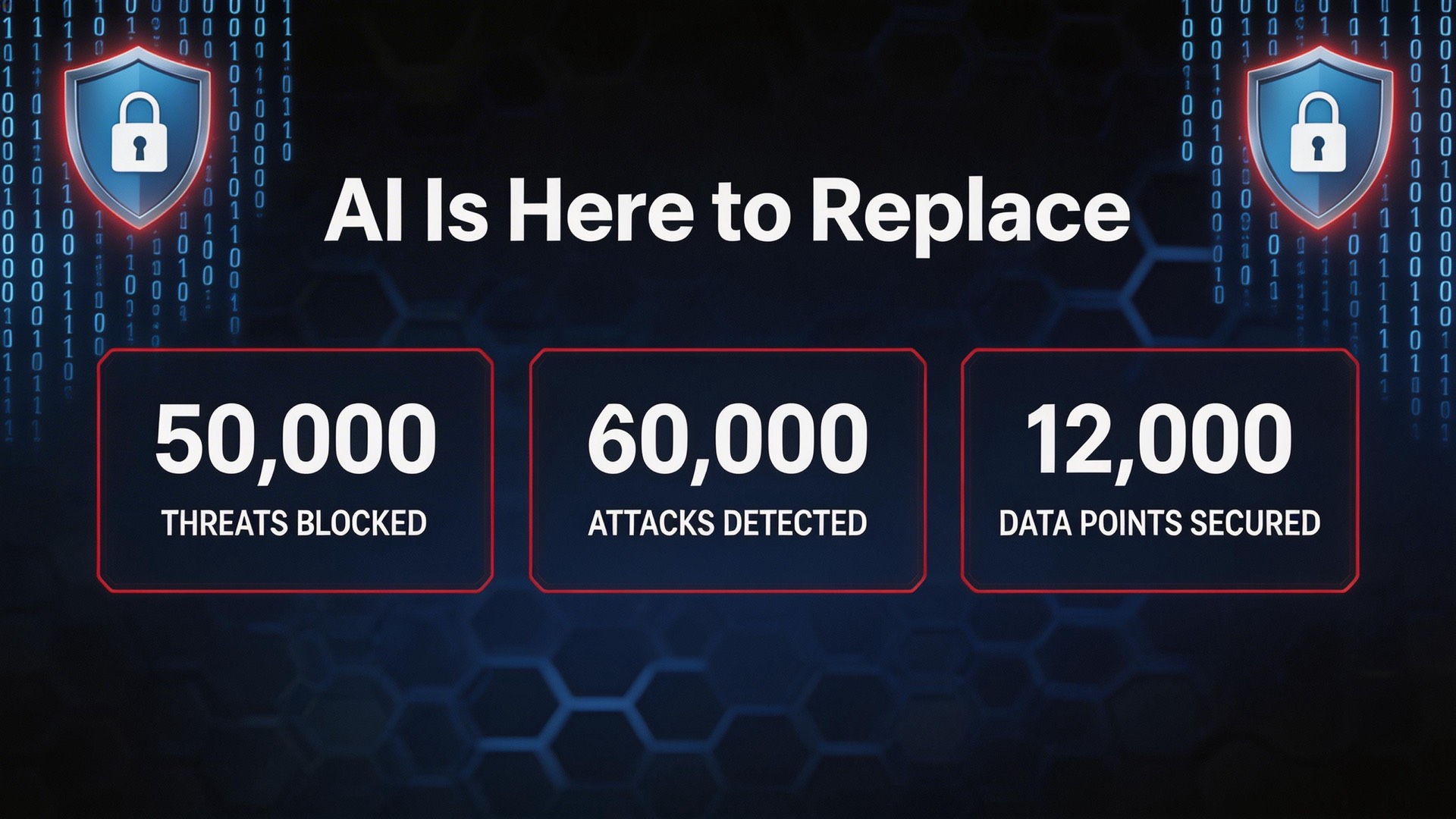
The premise is stark: no country wants foreign inspectors roaming their territory anymore. Trust between nations is at an all-time low. The careful diplomatic architecture that eliminated roughly 50,000 nuclear weapons over decades has collapsed.
So instead of fighting that reality, what if we worked around it?
Why This Matters

The Death of Traditional Arms Control
From 1985’s peak of 60,000+ nuclear weapons to today’s ~12,000, the reduction came through treaties with on-site inspections. Those inspections built trust and enabled verification.
That era is over:
– New START expired February 5, 2026
– Both US and Russia are building new weapons
– China is constructing new ICBM silos
– South Korea is eyeing the bomb
– On-site inspections are politically dead
The AI Verification Proposal
The FAS proposal suggests “cooperative technical means”—a system where nuclear powers agree to facilitate remote verification:
- Satellite monitoring of ICBM silos, mobile launchers, and plutonium production sites
- AI pattern recognition to identify changes and classify weapon systems
- Coordinated verification: “Open silo hatch X at this time when our satellite passes over”
- Human review of AI-flagged anomalies
“Something that artificial intelligence is good at is pattern recognition. If you had a large enough and well-curated dataset, you could, in theory, train a model that’s able to identify both minute changes at particular locations but also potentially identify individual weapon systems.”
The Massive Caveats
Sara Al-Sayed of the Union of Concerned Scientists has built datasets for this purpose, and she’s clear-eyed about the challenges:
Dataset problems: You need bespoke datasets for each country’s weapon systems. “Here’s how Russia builds ICBM silos. Here’s how the United States builds ICBM silos.” Even within countries, there are differences.
Scope of monitoring: Missiles, launchers, bombers, submarines, production sites, testing sites, storage, maintenance, dismantlement—and every object present at those sites. “You really need to think at that granular level.”
Task definition: Detection? Classification? Change tracking over time? Each requires different approaches.
Trust paradox: If you need AI because you assume your partner will cheat, how do you negotiate the agreement in the first place?
AI reliability: “There’s an inherent stochasticity of these techniques, starting from the process of curating the data… the labeling… the model itself… its lack of explainability.”
Key Takeaways
This is triage, not a solution: Remote verification is worse than on-site inspections. But it’s better than nothing.
AI limitations are real: Pattern recognition on nuclear facilities requires datasets that barely exist, and the stakes of false positives/negatives are existential.
Cooperation still required: Even remote verification needs both parties to participate—opening silos on schedule, sharing coordinates, etc.
Prevention, not disarmament: “A successor to New START is not going to put us on the path towards disarmament. It’s just going to help us prevent a real spiral.”
The trust problem remains: You can’t automate your way out of geopolitical mistrust. Technology is a tool, not a substitute for diplomacy.
Looking Ahead
The uncomfortable truth: we’re in an era where imperfect AI systems monitoring nuclear weapons might be the best we can do. That’s not inspiring—it’s sobering.
The researchers proposing this aren’t naive about the technology’s limitations. They’re pragmatists who see the diplomatic landscape and recognize that something is better than nothing.
Whether that “something” is enough to prevent the next arms race spiral remains to be seen. But in a world where all the old treaties have died, satellite AI verification might be the narrow bridge to a future where new treaties become possible again.
Sometimes Plan B is all we have.
Tags: AI Policy, Security, Nuclear Weapons, Remote Sensing, Arms Control, Geopolitics
Based on analysis of AI Is Here to Replace Nuclear Treaties. Scared Yet? from WIRED