The AI Productivity Trap: Why the Tools Meant to Save Us Might Be Burning Us Out
The most dangerous lie in tech right now isn’t that AI will take your job. It’s that AI will make your work life better.
The Core Insight
A new study from UC Berkeley researchers, published in Harvard Business Review, followed workers at a 200-person tech company for eight months. What they found contradicts everything the AI industry has been selling: people who genuinely embraced AI tools didn’t work less. They worked more. Much more.
The mechanism is almost comically predictable once you see it. AI makes tasks faster, so employees naturally take on more tasks. Expectations rise to match the new capacity. To-do lists expand. Work bleeds into lunch breaks, evenings, weekends. The very tools designed to create slack instead compress every spare moment into productive output.
One engineer’s quote from the study captures it perfectly: “You had thought that maybe, oh, because you could be more productive with AI, then you save some time, you can work less. But then really, you don’t work less. You just work the same amount or even more.”
Why This Matters
This isn’t just another productivity study. It’s a warning shot about how technology adoption actually works in organizations.
Previous research already hinted at problems:
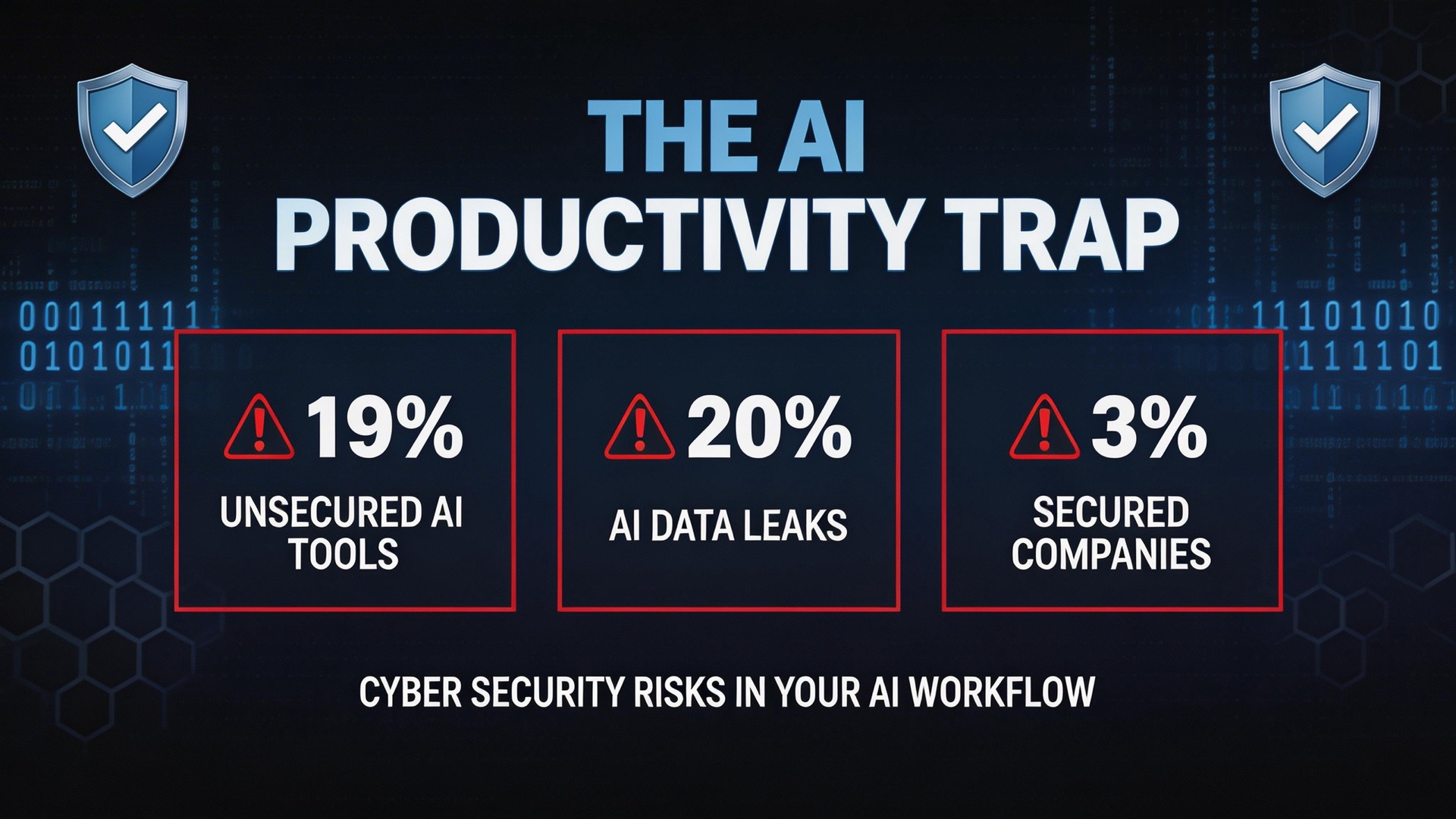
– A METR trial found experienced developers using AI tools took 19% longer on tasks while believing they were 20% faster
– An NBER study across thousands of workplaces found productivity gains of just 3% in time savings
– No significant impact on earnings or hours worked across any occupation
But those studies could be dismissed as “AI isn’t good enough yet.” The Berkeley study is different—it confirms AI can augment work, then shows where that augmentation actually leads. The researchers found “fatigue, burnout, and a growing sense that work is harder to step away from, especially as organizational expectations for speed and responsiveness rise.”
The Deeper Problem
Here’s the part nobody in Silicon Valley wants to discuss: this isn’t a bug. It’s a feature.
The entire economic model of productivity software assumes that making workers more efficient is unambiguously good. But efficient for whom? When AI helps you do 10 hours of work in 6 hours, there are two possible outcomes:
- You work 6 hours and keep your same output (the promise)
- You work 10+ hours and produce more output (the reality)
Option 1 would be wonderful for workers but terrible for the companies selling AI tools. Their value proposition depends on extracting more labor, not reducing it. Option 2 is what actually happens—and it’s economically rational for both employers and AI vendors.
One Hacker News commenter put it bluntly: “Since my team has jumped into an AI everything working style, expectations have tripled, stress has tripled and actual productivity has only gone up by maybe 10%.”
Key Takeaways
The productivity gains are real, but so are the costs. AI tools genuinely help you do more—and organizations will ensure you use that capacity to do more, not rest more.
Perception lags reality. Workers consistently overestimate how much AI helps them while underestimating how much additional work they’re taking on.
Burnout risk is highest among early adopters. The people most excited about AI tools are the ones most at risk—they’re pushing the boundaries of what’s possible without organizational guardrails.
This isn’t individual failure. It’s a structural problem baked into how productivity tools get adopted in competitive environments.
Looking Ahead
The tech industry is currently in the “move fast and break things” phase of AI deployment, with workers’ mental health as the breakage. What’s needed isn’t better AI tools but better organizational policies around their use.
Some possibilities:
– Output caps, not tool restrictions: Instead of banning AI, cap expected work outputs to prevent the productivity treadmill
– Mandatory disconnection periods: If AI makes work faster, use some of that saved time for enforced breaks
– Rethinking success metrics: Measure sustainable velocity, not peak capacity
The researchers conclude that helping people do more may be “the beginning of a different problem entirely.” That problem—organizational burnout machines running at AI scale—is already here. The question is whether we’ll recognize it before it’s too late.
Based on: “The first signs of burnout are coming from the people who embrace AI the most” (TechCrunch)